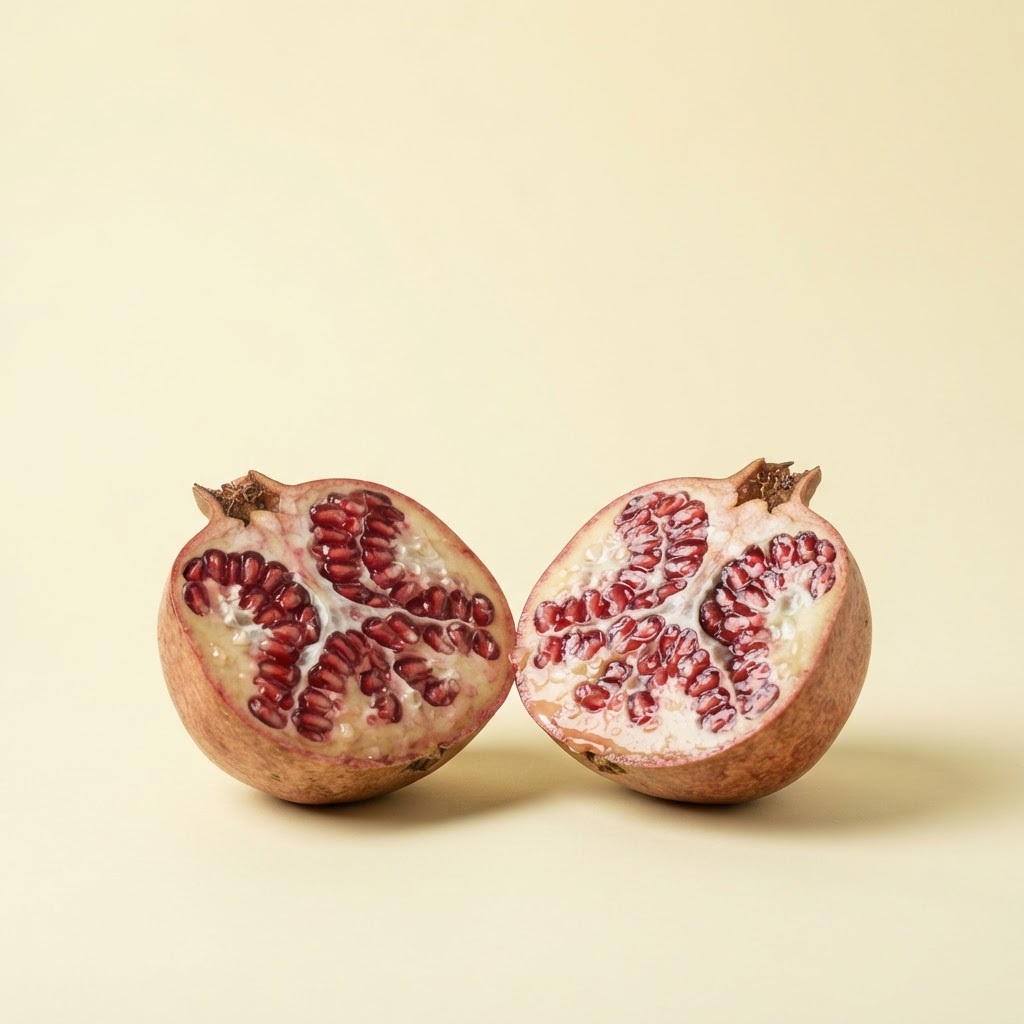
A Geode Is a Container, Not a Mineral
The word geode describes the shell, not the contents. A geode is a hollow or partly filled nodule with a crystalline lining, usually in a volcanic or sedimentary host rock, and the minerals inside vary enormously from one cavity to the next.
That is why two geodes from the same locality can contain completely different material. The shell formed first, the cavity stayed open, and then mineral-rich water seeping through the wall deposited whatever it happened to be carrying.
So identifying a geode is really two questions: what is the shell made of, and what is lining the inside. The first is usually straightforward, and the second is where the interesting minerals turn up.
The Common Linings, in Order of Frequency
Most of what you open will be one of these. They are listed roughly in order of how often they turn up.
- Quartz — clear, white or cloudy, in small pointed crystals. By far the most common lining.
- Amethyst — purple quartz. The same mineral as quartz with iron colouring, and the most sought-after lining.
- Agate and chalcedony — smooth, waxy, banded layers filling part or all of the cavity rather than projecting into it.
- Calcite — white to honey-coloured crystals, often rhombohedral or dog-tooth shaped, and it fizzes in acid.
- Pyrite — small brassy metallic cubes or clusters, common in sedimentary geodes.
- Celestine — pale blue, glassy, bladed crystals, most often in sedimentary geodes from limestone country.
- Dolomite and ankerite — cream to brown rhombohedra, harder than calcite and only fizzing when powdered.
- Marcasite — pale bronze metallic clusters, usually duller and more brittle than pyrite.
Telling the Lining Minerals Apart
Once the geode is open, the same tests that identify any mineral apply. Hardness first, then acid, then streak.
Quartz and amethyst are hardness 7 and will scratch glass. Calcite is hardness 3 and fizzes vigorously in vinegar or dilute acid. Fluorite, if you are lucky enough to find it, is hardness 4 and often glows under UV. Pyrite and marcasite are metallic, and pyrite leaves a greenish-black streak.
| Lining | Hardness | Acid test | The tell |
|---|---|---|---|
| Quartz | 7 | No reaction | Six-sided points, scratches glass, conchoidal fracture and no cleavage. |
| Amethyst | 7 | No reaction | Purple quartz, often darker at the crystal tips. Same hardness as clear quartz. |
| Chalcedony / agate | 6.5–7 | No reaction | Waxy lustre, banded, fills the cavity rather than projecting into it. |
| Calcite | 3 | Fizzes vigorously | Rhombohedral or dog-tooth crystals. A copper coin scratches it. |
| Dolomite | 3.5–4 | Fizzes when powdered | Cream to brown rhombohedra, harder than calcite and only reactive when scratched. |
| Pyrite | 6–6.5 | No reaction | Brassy metallic cubes with a greenish-black streak. |
| Celestine | 3–3.5 | No reaction | Pale blue glassy blades, and noticeably heavy for a light-coloured mineral. |
Reading the Shell
The shell itself carries clues about where the geode came from and what is likely inside. Volcanic geodes typically have a rough, chalky, fine-grained rind and often a quartz or amethyst lining. Sedimentary geodes are usually smoother and heavier, and more likely to carry calcite, pyrite or celestine.
The classic Midwest American geodes come from a shale and limestone sequence and are famous for quartz, pyrite and millerite. Brazilian and Uruguayan geodes come from basalt flows and are the source of most commercial amethyst. Mexican geodes are volcanic and often contain clear quartz or amethyst.
The thickness of the rind also matters. A very thin, light shell usually means a large cavity, which means larger crystals. A thick, heavy shell usually means the cavity is small or already filled with agate.
Opening One Without Ruining It
If the cavity is large, the crystals are worth preserving and a clean cut is the right approach. If the cavity is small or the lining is agate, cracking it open is faster and loses little.
For a cut, use a tile saw with a continuous rim diamond blade and plenty of water, and cut slightly off-centre rather than through the middle. That preserves the largest single face of crystals and shows the wall thickness in the same piece.
For a crack, score a line around the geode with a chisel, then work around it with light taps rather than one heavy blow. A geode that shatters has lost most of its value as a specimen.
The Bottom Line
A geode is a hollow nodule with a crystalline lining, and the lining is what you are identifying. Quartz and amethyst are the most common, chalcedony fills the cavity, calcite and dolomite fizz in acid, and pyrite and celestine turn up in sedimentary geodes.
Hardness and acid separate the whole list. The shell tells you roughly what to expect before you open it, and a clean cut off-centre preserves the best face of crystals.
For related reading, see geode rock identification and thunder egg identifier. Quartz identifier covers the most common lining, purple crystal identifier covers amethyst, and chalcedony identification covers the agate-filled kind.
Frequently Asked Questions
Quartz is by far the most common, followed by amethyst and chalcedony. Calcite, dolomite, pyrite and celestine are common in sedimentary geodes, and rare linings include fluorite, barite and millerite.